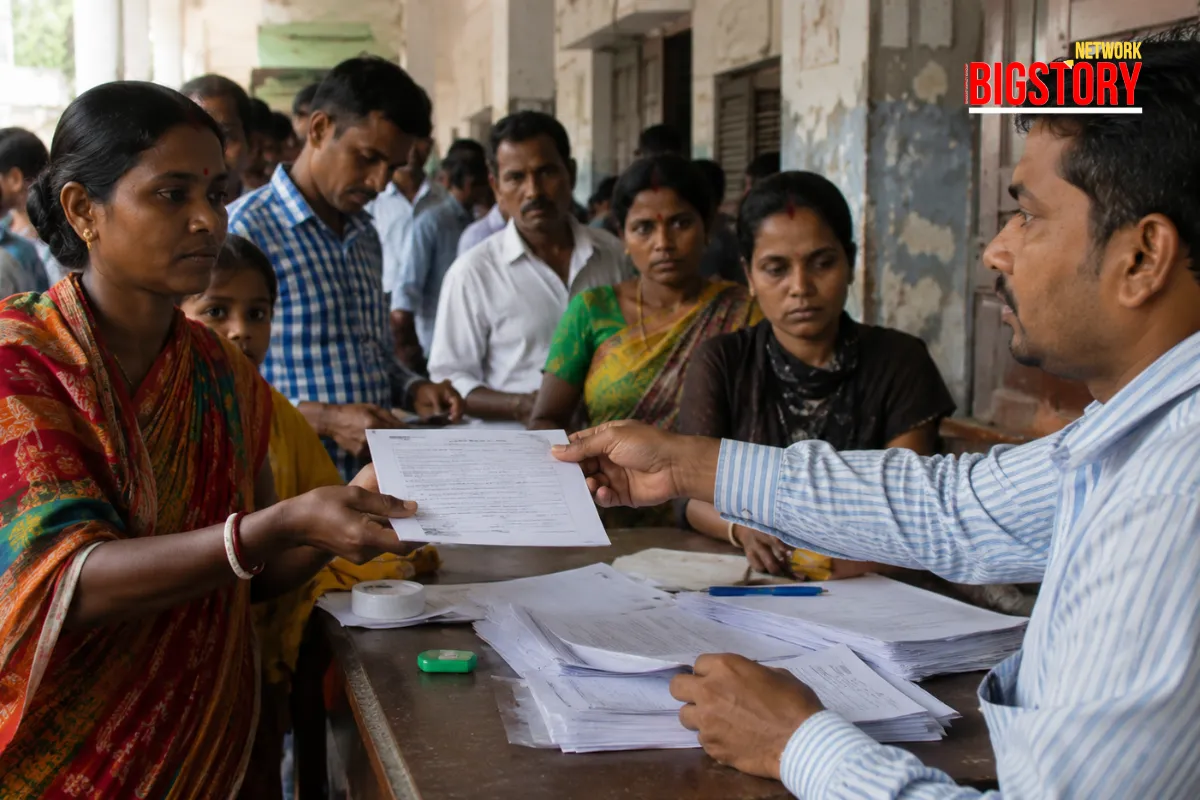
Proving that its marquee electoral promise was not just campaign rhetoric, the newly installed West Bengal administration executes an aggressive, multi-crore welfare launch directly from Nabanna.
 Brajesh Mishra
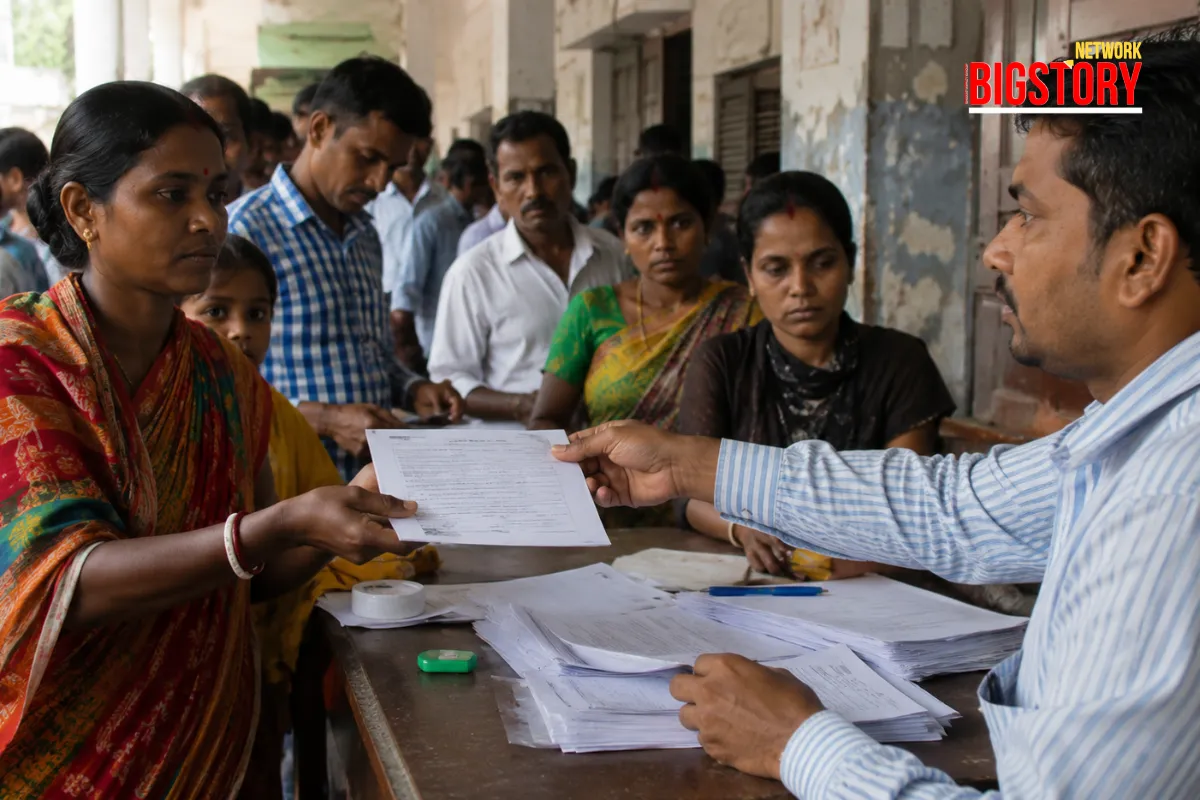
• What happened: The West Bengal government officially launched the Annapurna Yojana, disbursing ₹3,000 each to exactly 28,25,769 verified women via DBT on its first day.
• Why it matters: The scheme effectively doubles the financial aid of the older Lakshmir Bhandar system while introducing rigid backend audits to block ghost beneficiaries and non-citizens.
• The strategic play: Chief Minister Suvendu Adhikari is utilizing the SIR-2026 database to filter out ineligible claimants, explicitly shielding CAA applicants and persecuted refugees to consolidate demographic support.
• India's stake: The massive Day 1 rollout showcases an aggressive shift toward targeted biometric verification and strict identification registers to optimize state welfare budgets.
• The deciding question: As the continuous 90-day registration window progresses, will the weekly transparency reports successfully neutralize opposition claims of administrative favoritism?
The financial engine of the new West Bengal administration has kicked into high gear. Proving that its marquee electoral promise was not just campaign rhetoric, the state government successfully launched the Annapurna Yojana (also functioning as the Annapurna Bhandar Scheme) on Wednesday, June 3, 2026. Chief Minister Suvendu Adhikari initiated the direct transfers from the state secretariat, Nabanna.
On Day 1 alone, exactly 28,25,769 verified women received the elevated ₹3,000 monthly allowance directly into their bank accounts via the Direct Benefit Transfer (DBT) network. These women represent the first successfully verified database batch compiled over a high-intensity, three-day portal trial.
To mark the historic launch, the state government arranged synchronized virtual events across all administrative blocks, municipalities, and the Kolkata Municipal Corporation (KMC) area. Sanction letters and immediate tokens of approval were distributed locally to thousands of women on the spot. For those not yet registered, a physical and digital form-submission window will remain open for the next 90 days, with beneficiary updates published weekly.
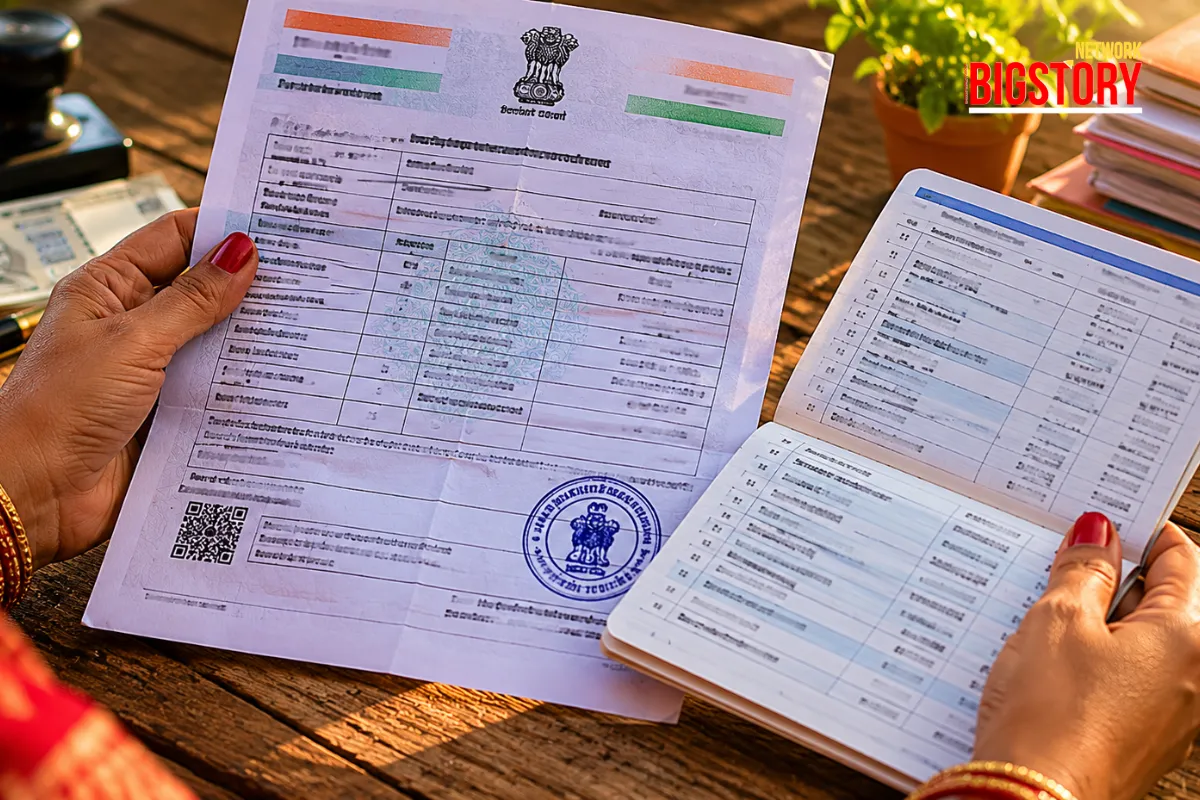
This rollout comes with an incredibly strict political and administrative filter that sharply distinguishes it from previous welfare models. Women and Child Development Minister Agnimitra Paul noted that initial investigations into the older Lakshmir Bhandar database exposed thousands of duplicate entries and fraudulent accounts. The new, extensive 12-page verification form is specifically designed to eliminate these leakages.
Furthermore, Chief Minister Adhikari drew a hard line on public funds, explicitly stating, "We don't want government money to be credited to non-Indians." Consequently, individuals whose names were struck off the electoral rolls during the recent State Identification Register (SIR-2026) or Special Intensive Revision will be completely excluded from the scheme.
However, the administration introduced a highly significant policy caveat. The Chief Minister clarified that Hindu refugees who fled to West Bengal from Bangladesh due to religious persecution, alongside the 1,21,000 individuals who have already applied under the Citizenship Amendment Act (CAA), will not be struck from the database. Their benefits will continue seamlessly while their citizenship cases are processed.
While mainstream coverage focuses on the celebration of the rollout, the "Missed Angle" is how the administration is carefully balancing a severe fiscal crunch with an aggressive public relations campaign. Doubling a cash incentive to ₹3,000 for an estimated two crore potential beneficiaries places an unprecedented strain on West Bengal's internal debt margins.
To counter economic skepticism and preempt opposition allegations of political favoritism, the state government is deploying an aggressive transparency mechanism. The administration has committed to holding public briefings every single week to display the exact math of verified versus added names.
Furthermore, to manage the inevitable administrative chaos of such a massive transition, the CM has launched a direct, centralized public helpline (82820 82820) operating six days a week. This allows the state to bypass local political intermediaries and deal directly with the grievances of common citizens, reinforcing an image of centralized efficiency and absolute accountability.
• Government of West Bengal: Official Portal and Welfare Department Notifications
• Press Information Bureau (PIB): Direct Benefit Transfer (DBT) Central Database Guidelines
• The Hindu: National Bureau and State Welfare Policy Updates
• The Economic Times: State Finances, Demographics, and Macro-Welfare Expenditure Indicators
 Exclusive Content





Sign up for the Daily newsletter to get your biggest stories, handpicked for you each day.

 Trending Now! in last 24hrs